Ethiopia Abandoned Tree Planting In The Desert And Did THIS—Nobody Saw This Coming
Earth Fresh Description: Welcome to the channel. Here we cover environmental transformations and restoration projects that will brighten your day. Our content is educational, documentary, and scientific in nature and serves the public interest. We hope you enjoy the content! Use of media falls under fair use guidelines, but if you have any questions or concerns, reach out via the contact email!
635,316 views Jan 31, 2026, 13:57 min In the scorched highlands of Northern Ethiopia, where the earth had baked into something closer to concrete than soil, thousands of villagers showed up for work. They didn't carry saplings. They carried pickaxes, shovels, and crowbars. And for months, under the sceptical gaze of government officials and the open laughter of neighbouring villages, these workers did something that looked completely insane. They dug holes. Millions of them. They excavated over twenty thousand deep trenches. They stacked thirty-eight thousand earthen walls. They assembled four hundred and thirty-nine kilometres of stone barriers—roughly the distance from London to Paris—all by hand. To anyone watching, this wasn't reforestation. This was an open-air mining operation. This was preparation for trench warfare. The local engineers had seen tree-planting campaigns come and go for decades. International organizations would arrive with nursery seedlings, plant them in neat rows, take photos for their annual reports, and leave. Within months, ninety per cent of those trees would be dead. The soil was too hard. The rain ran off like water on glass. The goats ate whatever survived. Plant and pray. Pray and fail. So when these villagers started hacking trenches into rock-hard ground instead of planting trees, the scepticism was predictable. Why dig graves for water that never comes? Why move millions of tons of rock in a landscape where nothing grows? But the people digging those holes knew something the engineers had missed. They knew the forest wasn't actually dead. It was hiding underground. And they knew that before they could bring it back, they had to plant something else entirely. They had to plant the rain first. Seven years later, satellite images show a sharp green line cutting across the Ethiopian highlands. On one side, the same dusty brown wasteland. On the other hand, twenty-three thousand hectares of recovering forest with a ninety per cent survival rate.
The childhood cradle of Entoto's slopes T his period was marked by Abyssinia's history of grandiose lords and their battles to inherit Solomon's historical and legendary Crown. A n impressive sparkling background for a tiny infant who, despite his British and noble birth origin, yet with his first impression, sparks curiosity in a traditional Abyssinian clay hut just down the mighty Entoto. T his remarkable diversity of origins and places of birth forms a context for both the idyll and the civilised environment that will soon be the seat of the British Legation. T he emotional and remarkable foundation of the forthcoming magnificent grand events was created beneath the mountain with its legendary history and wilderness. T his was the place for the infant boy who would build an excellent future through legends, books and thrilling adventures. T he infant Wilfred Thesiger was here waved to his first impressions...
The Healing Power of Nature: Exploring the Health Benefits of Walking in a Park 73 views Aug 9, 2023, 2:42 min. #psychology #ethiopia #nature In the fast-paced and technology-driven world we live in, finding moments of respite and connection with nature has become increasingly crucial for maintaining our overall well-being. Among the various forms of outdoor recreation, walking in a park stands out as an accessible and beneficial activity that can significantly impact our physical and mental health. In this video, we delve into the remarkable health benefits that await those who set foot in a park and simply take a stroll amidst the beauty of nature. From improved mental well-being to enhanced physical fitness, there is much to gain from embracing the tranquil and rejuvenating power of the great outdoors. #plogging #nature #motivation #hiking #psychology #ethiopia #travel #respectnature #plogger #health #wellbeing #lifestyle #lifehack Facebook | F...
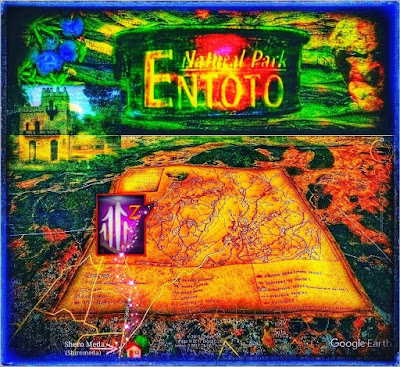
Entoto Park Main Entrance - Entoto Park (Z) A Modern Park for Nature & People A sincere request prevailed for a family-friendly invitation to the Park's entertaining facilities and cosy amusements, set amidst the Park's exquisite highland Nature. The Park's unique character of highland magnificence would then become within reach for families and passionate nature people. Thus, the somewhat rugged and overwhelming vastness of Entoto Natural Park gave rise to the development of this more comfortable Park, featuring various activities and cultural facilities. Thanks to the welcoming atmosphere, this Park is now a reality, featuring a new family and cultural environment on the Grand Mountain massif. Thus, despite the landscape's high drama, the family offers comfortable adventures with the required modern facilities. This newly inaugurated modern department, Entoto Park, with its dramatic Location on the mountain's southern shoulder, invites visitors through its mai...


Comments
Post a Comment